

Author Archives

Eileen Otis

New book

Walmart: Made in China


June 4, 2026

It is hardly news Walmart’s U.S. store shelves are filled with commodities made in China. Less recognized is the extent to which Walmart’s retail operations in China were thoroughly remade to adapt to that country’s labor regulations and unions, urban landscapes, consumer cultures, and post-socialist institutions. A stroll through Walmart’s aisles in Shenzhen, Beijing, or Shanghai, may convey the opposite impression: giant images of Sam Walton hover over customers, and yellow smiley faces line the aisles, while the slogan “Save Money, Live Better” invokes a budget version of the American dream extended to all.  But the ubiquitous Americana is more ornament than substance, draped over a retail model fundamentally reshaped by China itself.

Continue Reading…
Research Findings

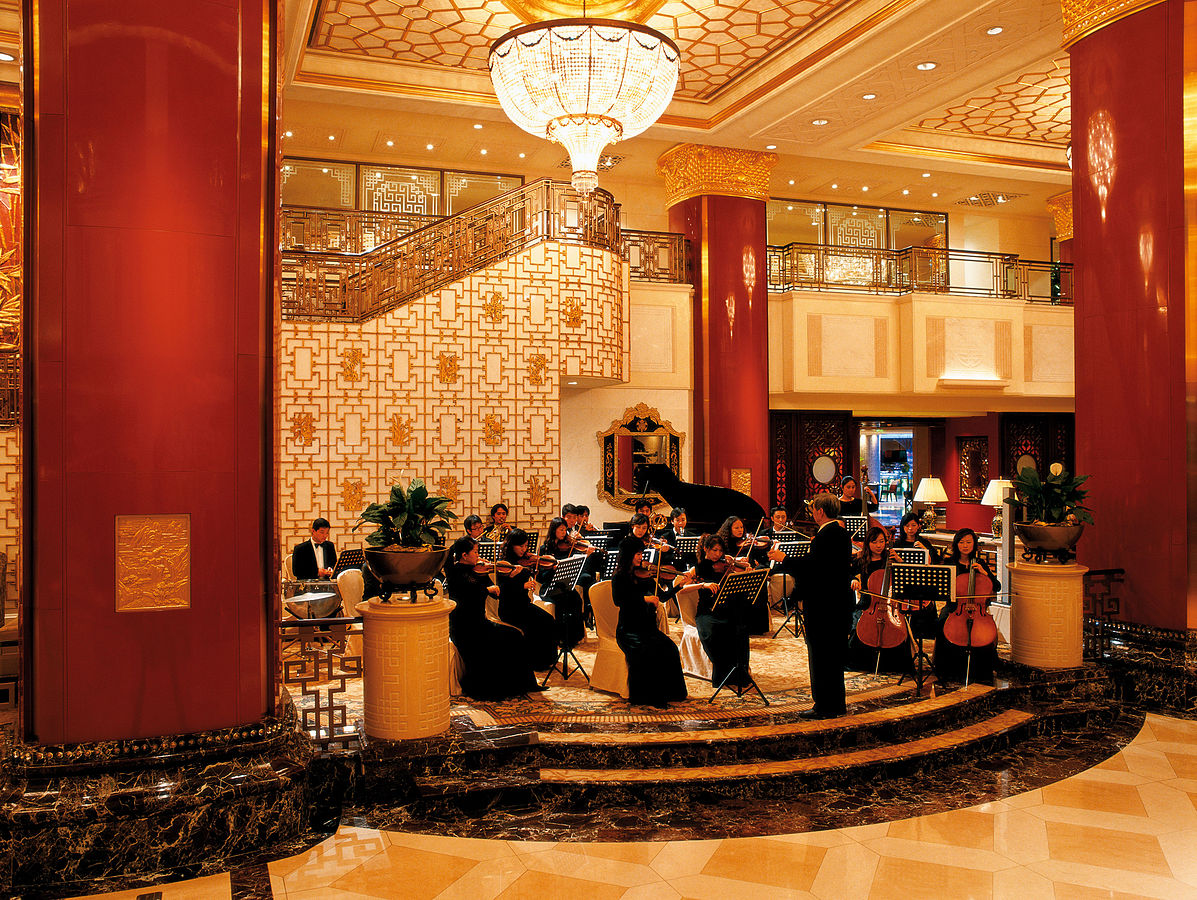
Bridgework: Globalization, gender, and service labor at a luxury hotel


January 25, 2018

Sociological studies of work have long ventured overseas to understand the conditions of employment and global networks that produce goods consumed in the global north. Scarce are studies that take a look at globalization and work at the other end of the supply chain: consumer services. This is important because in recent years retailers and hoteliers have traveled from the global north to the global south nearly as fast as manufactured goods have journeyed the opposite direction. This is also critical because the sociology of service work has rarely ventured beyond contexts in which customers and workers largely share in a single culture (with all its etiquettes, manners, symbols and rules), even as class, race and gender differences may be present. As a result, sociologists tend to focus on how workers use familiar habits of behavior in workplaces that require interaction with customers. For example the word “emotion work” is used to describe the psychological effort expended when workers are asked to treat strangers with the warmth they might reserve for family members or friends. Another term “aesthetic labor” describes the ways in which workers’ manner of dress, style, grooming and speech must conform to the meet the expectations of posh or hip clientele. Employers hire workers of the appropriate class backgrounds to perform such labor. Overlooked by these two terms is the effort workers make to learn new ways of expressing emotions, novel styles of presenting themselves and unfamiliar modes of interacting when their customers originate from different nations and cultures.

Continue Reading…