
 Let them eat marshmallows! It turns out the famous marshmallow test of willpower – the association between how long preschoolers can resist one marshmallow now for the promise of two later and higher test scores and earnings – did not replicate. Once the sample expanded beyond Stanford’s faculty daycare, and controls for parental social class and child characteristics were included, the effect of delayed gratification was much reduced.
But why did people take such psychological ideas so seriously in the first place?
At the outset, it is important to clarify that the recent replication failure does not tell us that willpower does not “matter.” It tells us specifically that willpower or delayed gratification measured in childhood doesn’t matter to academic attainment independently of parental social class and other factors. But it is the underappreciation of these other factors that led to a popular, yet misleading, narrative tying willpower to desert.
To understand how this began, let’s look at how Walter Mischel, the man behind the marshmallow test, got started in 1960s Stanford. Mischel set a model for today’s bestselling celebrity-psychologists, such as Angela Duckworth, by publishing popular books that combined simple summaries of their research with personal memoirs and how-to guides.
 Asian Americans have increasingly been in the national spotlight. Last month, “The Chinese Exclusion Act,” a documentary by Ric Burns and Li-Shin Yu, aired nationwide as part of PBS’s American Experiences series. The film
  In January 2012, President Obama called for states to extend compulsory education in the U.S. to age 18. More recently, the White House unveiled its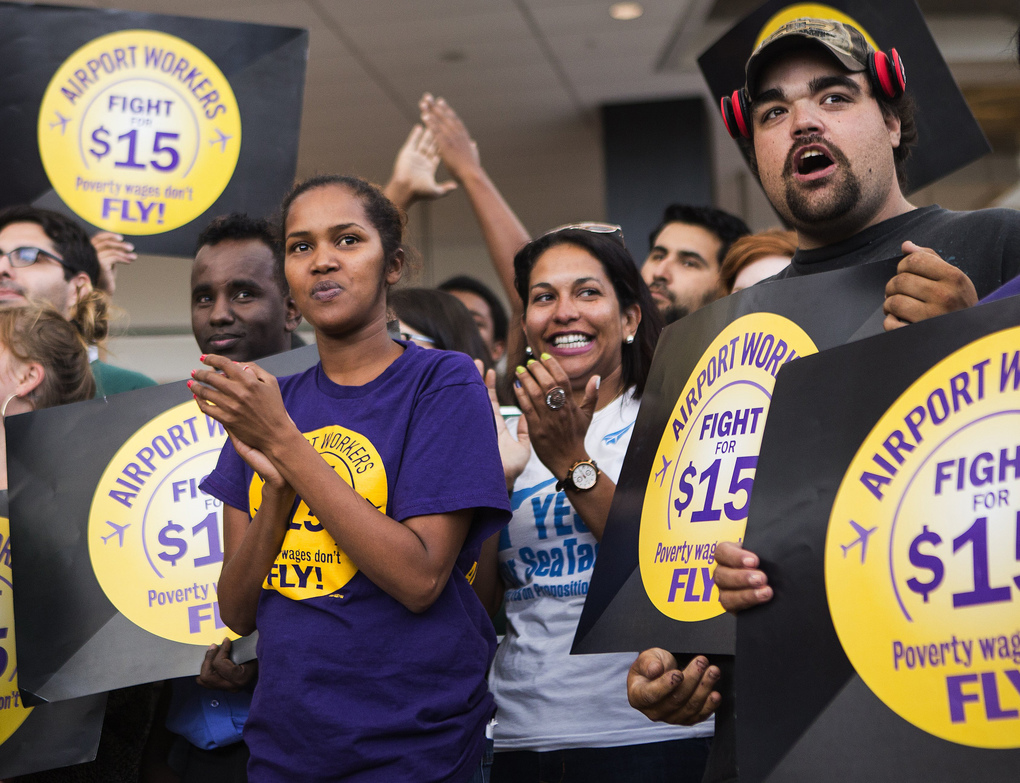
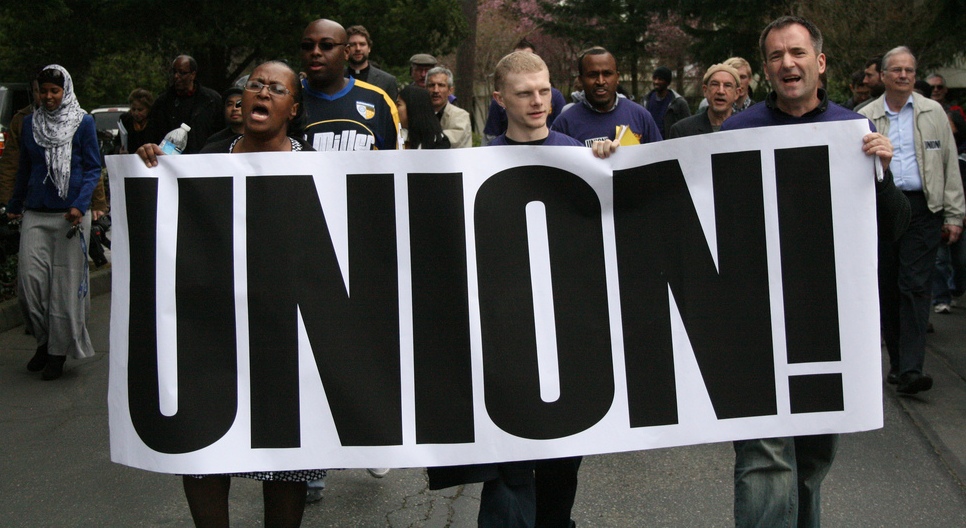 The Fight for Fifteen movement, launched in New York City in late 2012, is one of the most vital, innovative, and militant struggles in recent US labor history. As one Fight for Fifteen organizer put it, now many young workers “are looking at the union movement, not as something that’s stodgy, old, and past its prime, but as something that’s exciting and new and the way forward for hope in our lives…Fight for Fifteen is making the union movement cool again.”
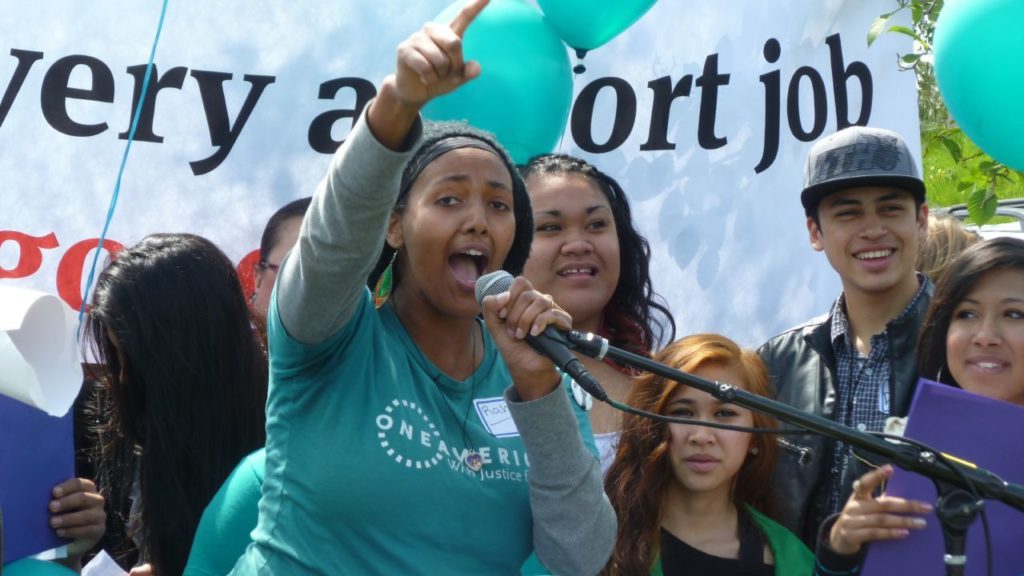 Hit “pause” for a moment on the latest Trump outrage and recall the political landscape following the Wall Street-induced train wreck of nine years ago. The Obama administration bailed out the financiers, businesses fired
 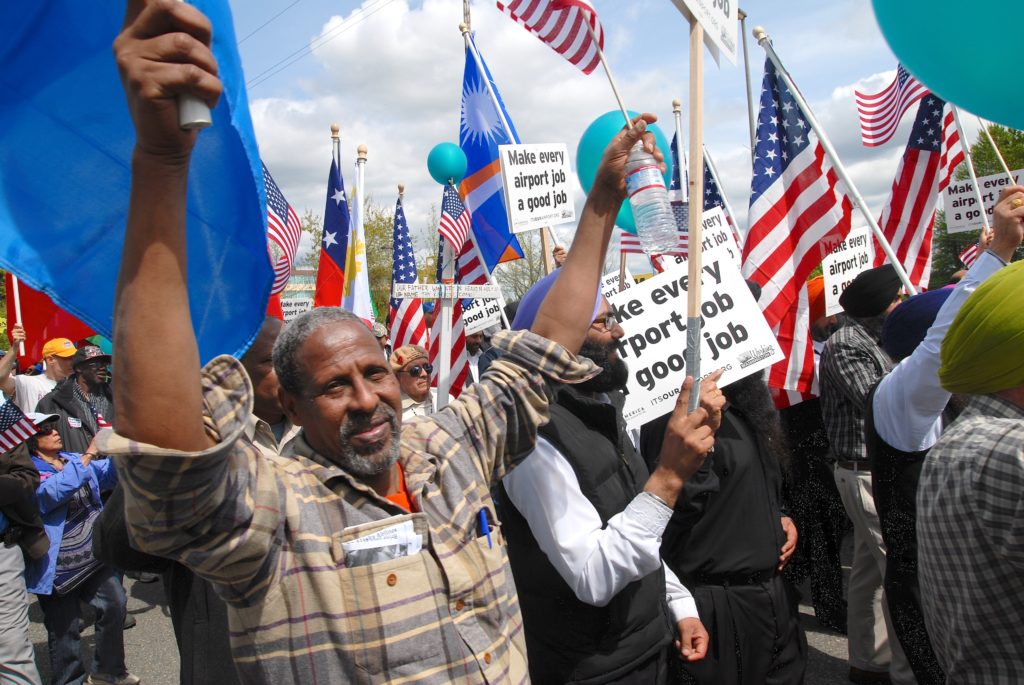 Steven Ashby is right to mark the achievements of the Fight for $15. As he reminds us, this national campaign brought wage increases to nearly 20 million American workers during a time when union density fell to below 7%. Equally important is the way in which the Fight for $15 forever redefined low wage work in the U.S.