 In January 2012, President Obama called for states to extend compulsory education in the U.S. to age 18. More recently, the White House unveiled its America’s College Promise Proposal, which calls for free community college tuition for responsible students.
Common arguments in support of more education suggest that education spurs innovation and expands skilled and higher paying jobs. Counterarguments suggest education could reduce skilled jobs by promoting the development of new technology, production practices, and machines that can replace skilled labor.
We know that education has important occupational benefits for individuals, but do these benefits spill over into society as well? At the turn of the century, I find that they do. Continue Reading…



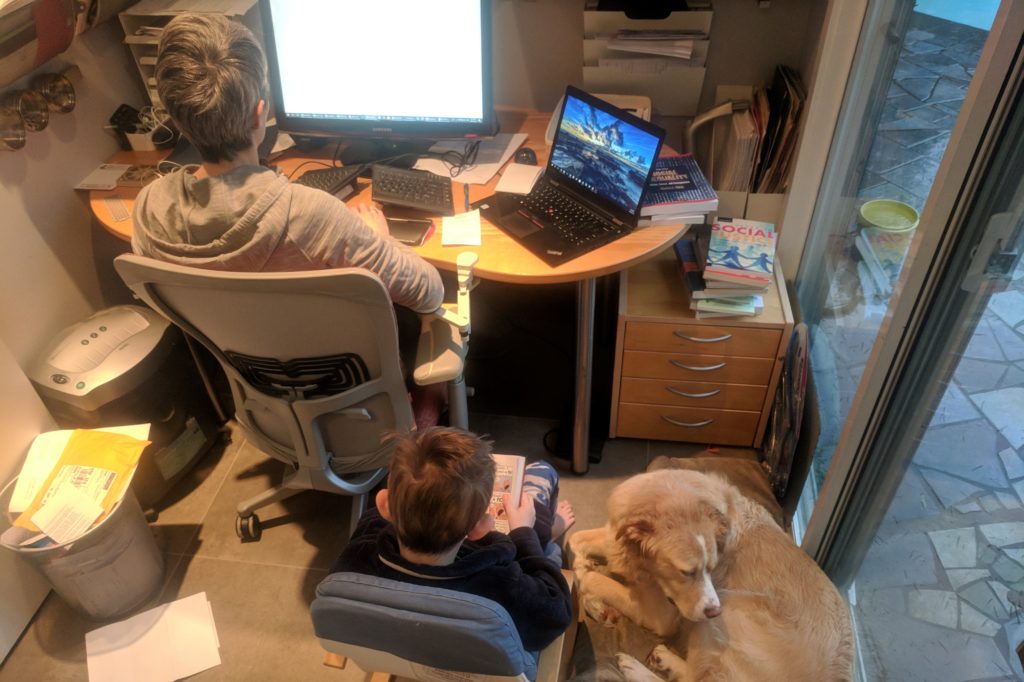 For many families, integrating work and care remains a challenge. Is flexible work the answer? By affording workers greater freedom to organize their jobs in ways that suit their lives, flexible hours and the ability to work from home can help parents meet children’s needs while still getting their work done.
 Forget the red roses and teddy bears this Valentine’s Day – the best way for men to shore up their relationships is to run the vacuum over.

 The decision to become a stay-at-home parent is often not easy – many parents weigh the costs of career sacrifices relative to the benefits of increased family time. They might want to consider another cost: how easy will it be to return to work?