
Book review

Class, Power, and Digital Technology: A review of Fourcade and Healy, The Ordinal Society


March 4, 2025

Digital technologies have woven themselves into every facet of our lives, introducing shifts –sometimes subtle, sometimes quite profound— in the workings of virtually all social institutions. Arguably, the most important of these shifts concerns the link between digital technology, power and social inequality. How have digital capitalism and algorithmic management reshaped the mechanisms that stratify people, now reborn as “users,” into distinct classes and strata? What do these shifts mean for the theoretical frameworks we have inherited from the past? In their important 2017 paper, Marion Fourcade and Kieran Healy argued that the use of digital systems to harvest almost unlimited data about individual users has rendered obsolete many of the core assumptions that have long informed sociological thinking about class, status distinctions and social inequality generally. Now, in their 2024 book, The Ordinal Society, Fourcade and Healy have contributed a more richly developed analysis of the many consequences that flow from the automation of class inequality (see Eubanks’s 2017). The result is a deeply researched, provocative but often frustrating book. It deserves a wide audience for reasons I spell out below.

Continue Reading…
New book

What went wrong: A different diagnosis


February 17, 2025

            Antonio Gramsci wrote in 1930: “The crisis consists precisely in the facts that the old is dying and the new cannot be born. In this interregnum, a great variety of morbid symptoms appear.” Trump’s reelection even after the January 6th insurrection and the widespread embrace of scapegoating and conspiracy theories are today’s morbid symptoms. In The Habitation Society: Paths to Sustainable Prosperity, I argue that both our politics and our economy are so damaged because we have been unable to transition from an industrial society to a habitation society.

Continue Reading…
Research Findings

Republic of Fear? Complexity and Coercion in Amazon Warehouses


January 20, 2025

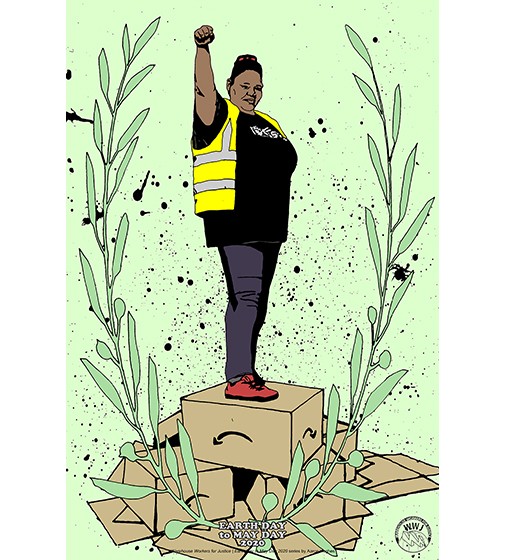
Not long ago, labor scholars and activists fastened on Walmart’s labor practices as providing the most influential template for the “low road” approach toward employment generally. Since then, Amazon has in many ways surpassed Walmart, overtaking it in many retail markets, and bringing into play a whole new set of labor practices, many of which are equipped with powerful digital surveillance tools. This raises the question: What, precisely, do we know about the labor control mechanisms that workers encounter in Amazon’s warehouses? Despite journalistic forays and scattered but growing academic research, we have only a faint and tenuous outline of the company’s managerial regime, and of the workers’ responses to it.[1]

Continue Reading…
Research Findings

The romance and reality of “authentic” craft spirits


December 21, 2024

Imagine a small, rustic distillery tucked away in Utah’s Uinta mountains. The air is crisp with hints of fermenting grain and aging whiskey. Inside, a dedicated artisan tends to the copper still, crafting small batches of handmade spirits with care. Each bottle reflects the maker’s dedication and knowledge of the land.

This romantic image is likely what comes to mind when we hear “craft spirits.” We envision devoted producers pursuing their passion for making unique, quality products that stand in contrast to those mass-produced by big-name brands. It’s no wonder, then, that the craft spirits industry has seen such impressive growth in recent years.

But how accurately does this idealized image reflect the reality experienced by craft distillers? In a recent study, forthcoming in Qualitative Sociology, my colleague Eylül Yel and I shed new light on this question, revealing a landscape far more complex than this idealized vision suggests.

Continue Reading…
Research Findings

Work is Freedom: The Entrepreneurial Self among Street Vendors


November 18, 2024

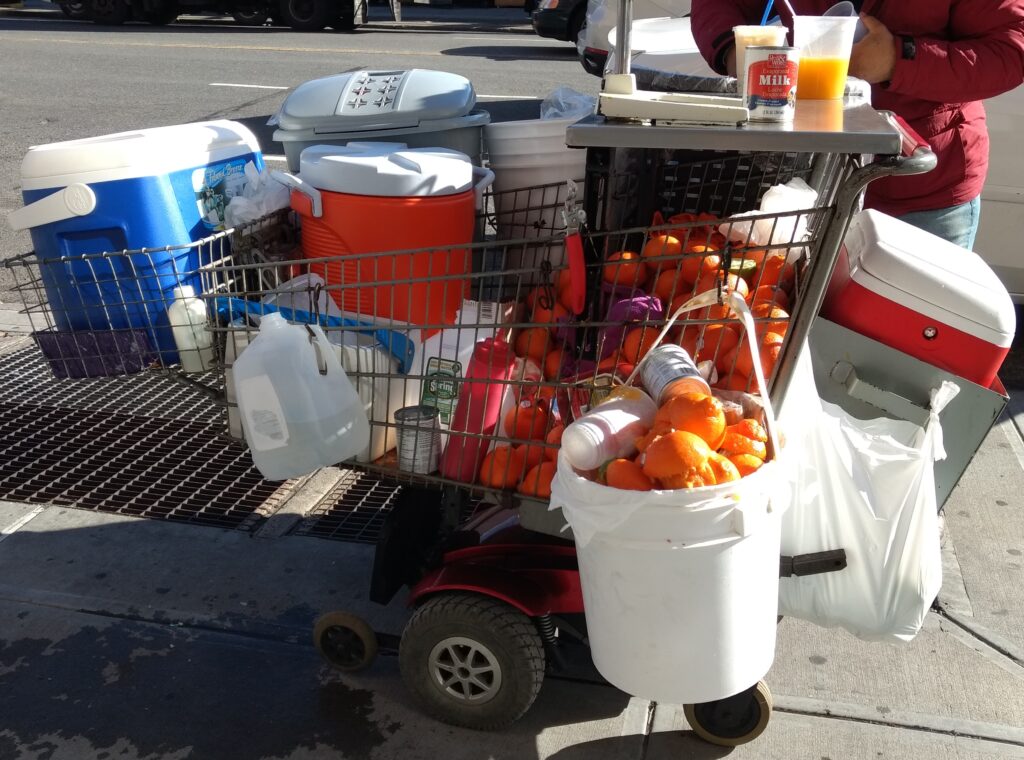
When I asked a Latin American street vendor in NYC if he has free time, he replied: “For what? This is my freedom, work is freedom. This is fun for me. Some people may pass by and think, ‘poor man selling churros in the street in such a cold weather’, but I do not feel like that, I feel good, I make money.”

Precarious work has increased globally in recent decades, influencing workers’ perceptions of their jobs. A defining feature of precarious work is the combination of bad working conditions with greater autonomy and flexibility. As a result, workers from various sectors, including freelance workers, platform workers, entrepreneurs, and street vendors highlight the benefits of working for themselves.

Continue Reading…
Research Findings

Anti-Blackness and the Historical Limits of Progressive Trade Unionism

and
November 11, 2024

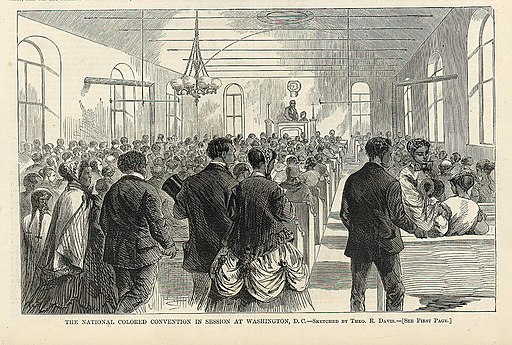
Interracial solidarity – the willingness of white workers to unite with racialized others, especially Black people, against capital – is a question that has haunted the institutionalized U.S. labor movement from its birth in the 1860s to the present day. We need only look to the white working class voters who support Donald Trump for just one example of this persistent challenge.

Unfortunately, the existing research is ill-equipped to explain the conditions that enable and constrain interracial labor solidarity. The relevant scholarly debate turns on an either/or question: did organized labor in the United States exclude or protect Black labor? On one side, scholars emphasize unions’ racially exclusionary practices. On the other side, scholars have focused on how some unions were largely inclusive. As readers, we are meant to make three inferences. First, while conservative whites were certainly racist, progressive whites recognized Black workers as their equals. Second, U.S. labor history’s protagonists were whites, while Black people were the passive beneficiaries or victims of white workers. Third, white progressives’ class analysis of capitalism was correct: employers do use racism to divide and weaken the working class.

Continue Reading…
Research Findings

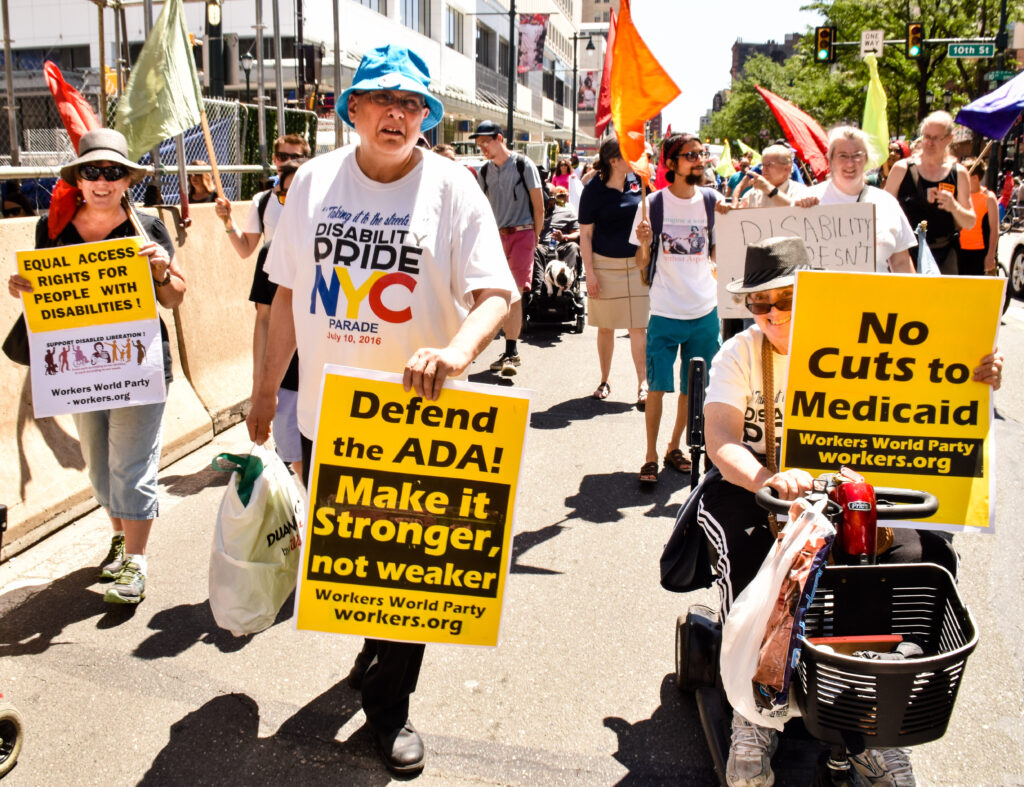
Disability and the state production of precarity


November 4, 2024

Lots of media attention addresses the payment of subminimum wages to workers with disabilities employed in segregated workshops. In 2009, an Iowa Turkey farm was exposed for keeping dozens of men with intellectual disabilities in captivity for over thirty years, paying them $65 per month for decades of full-time manual labor. But a new study shows that programs trying to raise wages for workers with disabilities still place many in precarious, low-wage jobs due to the constraints of American disability policy.

Continue Reading…
New book, Research Findings

How Culture Shapes Regulation


October 24, 2024

Where does better or worse regulation come from? At a time when financial crises are growing more frequent and more spectacular around the world, this question has only become more important. The quality and efficacy of economic regulation is also something that varies across time and place. Understanding the source of this variation holds important lessons for effective regulatory design for those who are willing to pay attention.

In my recent book, Visions of Financial Order, I offer new insight into the origins of regulatory success and failure by explaining the divergent development of banking regulation in three countries that were supposed to be following the same international regulatory rules—the U.S., Canada, and Spain—in the decades leading up to the 2008 global financial crisis. I show that in each country, banking regulators made different choices in key areas that directly impacted how banks experienced the crisis.

Continue Reading…
Research Findings

The gendered consequences of informal coaching in Silicon Valley


September 29, 2024
Image: Olia Danilevich via Pexels (CC0 1.0)

For the past decade, major technology companies have grappled with the underrepresentation of women in their industry, especially in technical roles like software engineering. Much of the conversation surrounding gender inequality in the tech industry focuses on the educational pipeline: specifically, the relatively low proportions of women graduating with computer science degrees.

In a new article in the American Journal of Sociology, I argue that women are not only underrepresented in these technical roles because they lack educational credentials but because they are not given the same opportunities as men to learn relevant skills on the job. 

Continue Reading…